
Minimally Invasive Knee Surgery: How Procedures Are Performed And Who May Benefit

Candidate evaluation and preoperative considerations for minimally invasive knee surgery
Evaluation prior to a less invasive knee procedure often begins with a focused history and physical exam aimed at localizing symptoms and assessing joint stability and alignment. Imaging such as weight-bearing radiographs and MRI are typically used to confirm the extent of cartilage loss, meniscal pathology, or ligament injury. Clinicians may also review prior records and surgical history because previous incisions or implants can influence portal placement and technique selection. Shared discussions about expected functional goals and realistic timelines commonly guide whether a limited-exposure approach is appropriate for a given individual.
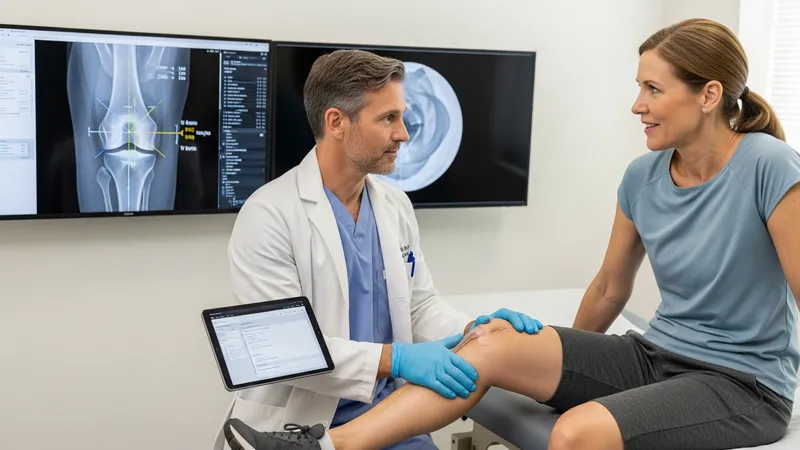
Medical comorbidities and perioperative risk factors are considered as part of the selection process. Conditions that affect wound healing, bleeding risk, or anesthesia tolerance may alter the risk–benefit assessment for any surgical approach. For example, significant inflammatory arthropathies or widespread degenerative changes may limit the value of a focal intervention. Patient age, activity level, and occupational demands are also relevant when considering whether the potential advantages of smaller incisions and reduced soft-tissue disruption align with therapeutic objectives.
Preoperative planning often includes template measurements, implant sizing considerations for partial replacements, and instrument selection for arthroscopic repairs. When imaging shows a localized compartmental disease pattern, templating can help determine whether a mini-open partial replacement might address the defect. For arthroscopic ligament reconstructions, graft options and tunnel trajectories are planned with imaging and intraoperative navigation in mind. Contingency planning for conversion to a more extensive exposure is also commonly discussed when intraoperative findings differ from preoperative expectations.
Patient counseling typically covers procedure scope, potential benefits and limitations, and the anticipated postoperative pathway. Surgeons often explain that less invasive access may reduce soft-tissue trauma, but outcomes depend on pathology severity and adherence to rehabilitation. Realistic framing that recovery times can vary and that complications, while generally uncommon, remain possible helps align expectations. These preoperative conversations support shared decision-making and set the stage for coordinated perioperative care.