
Solar Panels For Homes: Understanding Costs, Potential Savings, And Payback Timeframes

System Components and Performance Factors for Solar Panels for Homes: Understanding Costs, Potential Savings, and Payback Timeframes
Major system components include photovoltaic modules, inverters, mounting and racking systems, wiring and breakers, metering equipment, and optional batteries. Module quality, temperature coefficients, and rated efficiency influence energy yield per installed area. Inverters convert DC to AC power and may include features such as maximum power point tracking and safety shutdown. The choice between central inverters, string inverters, microinverters, or power optimisers affects both performance under partial shading and replacement strategies. Understanding component lifespans is important when modelling lifecycle costs and expected performance.
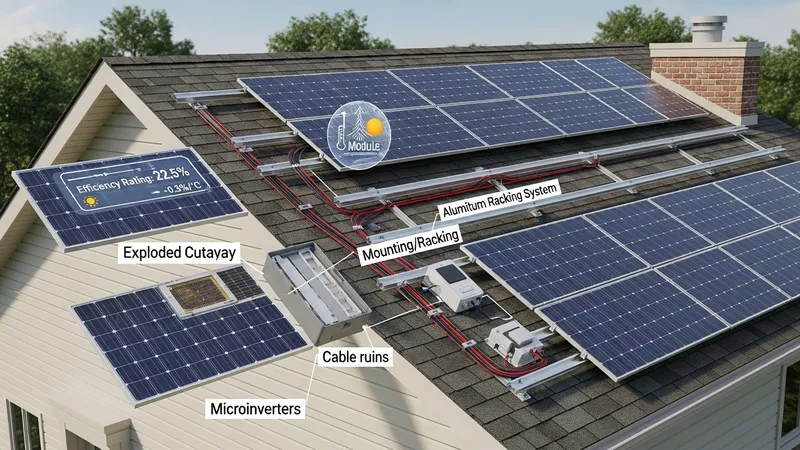
Performance factors that influence long-term yields include orientation and tilt, shading, soiling, ambient temperature, and degradation rates. Seasonal and interannual variation in sunlight can cause output to fluctuate; long-term averages are preferable for multi-year projections. Module degradation is typically gradual but should be included as a percentage decline per year in production models. Maintenance practices such as periodic cleaning and inspection of electrical connections may help maintain expected output, and these activities can be budgeted as modest ongoing operating costs.
System monitoring and diagnostics can support performance tracking and help detect underperformance or faults early. Monitoring platforms vary in granularity, with some offering module-level visibility and others reporting only whole-system output. Where available, module-level data can reveal shading or equipment issues more quickly, which may reduce long-term energy loss. Including monitoring capabilities in a project plan may increase initial cost slightly but can provide useful data for validating production against modelling assumptions.
Environmental and site-specific considerations can materially affect expected yields. Roof orientation, available unshaded area, local climate patterns, and snow or dust accumulation all influence annual generation. Structural assessments that confirm roof age and condition can prevent unexpected replacement costs shortly after installation. When modelling system performance for payback estimation, including conservative allowances for production variability helps produce more robust and realistic forecasts rather than optimistic single-point estimates.