
Non-Permanent Stairlifts: Understanding Temporary Mobility Solutions For Stairs

Safety features and accessibility considerations for temporary stairlift solutions
Safety features for temporary stairlift systems often mirror elements found on permanent units. Common inclusions are obstruction sensors that halt motion if an object is detected, interlocks on platform gates to prevent movement until the gate is secured, emergency stop buttons within easy reach, and seat restraints for seated lifts. Battery backup systems may be included to permit descent during a power outage. These features are typically specified by manufacturers to match the intended use case and capacity of the device rather than guaranteeing absolute protection in all scenarios.
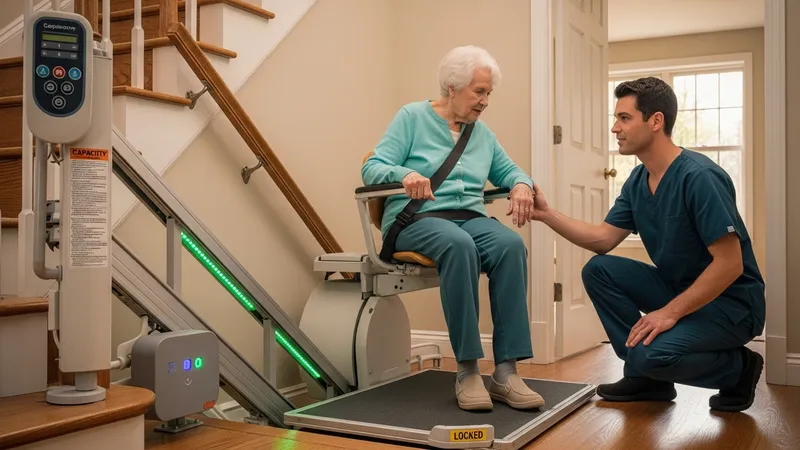
Accessibility considerations extend to user transfer, control placement, and clear maneuvering space at landings. For seated temporary lifts, seat height and swivel capability can influence how easily a user transfers to and from the device. Platform lifts require adequate landing depth and unobstructed doorways to permit safe transfer of a wheeled user. For stair-climbing assistance devices, operator training and caregiver ergonomics are central, as these devices often require human guidance during ascent and descent. Assessments often focus on whether the solution supports independent use or requires assistance.
Weight capacities and user dimensions are practical safety determinants. Temporary devices commonly specify rated loads that may be lower than those of permanent installations; matching user weight and equipment is therefore an essential step. Additionally, inspection intervals and basic maintenance checks during rental periods help identify wear or malfunction. Where possible, following manufacturer guidance on cleaning, battery charging, and mechanical checks is typically advised to maintain safe operation over the temporary period.
Environmental factors such as outdoor exposure, humidity, and temperature can affect temporary equipment performance. If a device is used near exterior doors or in partially exposed locations, ensuring appropriate weather protection and corrosion-resistant components may be important. Noise and vibration characteristics may also influence suitability for indoor residential settings. Planning for safe storage and protective covering when the unit is not in use is commonly considered part of maintaining safety and prolonging the serviceable life of temporary equipment.