
Non-Permanent Stairlifts: Understanding Temporary Mobility Solutions For Stairs

Installation methods and removal considerations for temporary stairlifts
Installation methods for temporary stairlift systems often prioritize reversibility and minimal alteration. A common approach for straight-rail chairlifts is to mount rails on brackets attached to stair treads rather than drilling heavily into structural elements; this can allow the unit to be removed with limited residual impact. Portable platform lifts may be anchored with non-penetrating weights or temporary fasteners, though some models may require modest anchoring for stability. Stair-climbing devices typically involve no permanent attachments and instead rely on operator training and safety checks before each use.
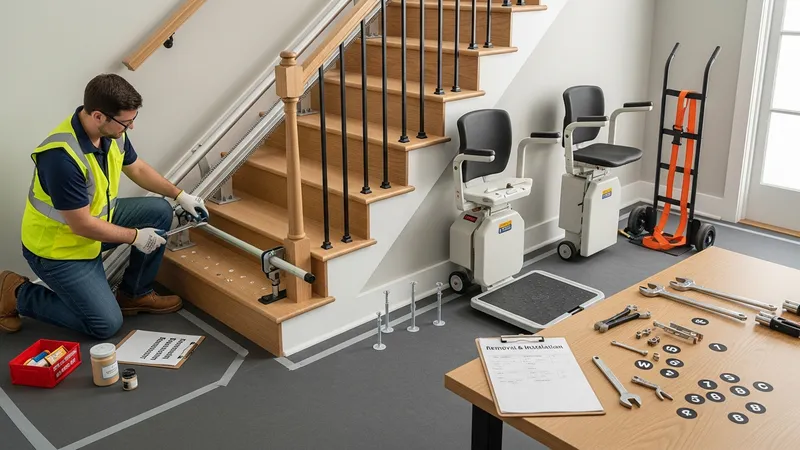
Removal planning is an important part of temporary installations. Removing a rail-mounted chairlift usually means reversing the mounting process and addressing any small holes or surface wear left on treads or walls. Platform lifts that used temporary anchoring should be dismantled in a way that preserves floor finish and avoids creating trip hazards. For any temporary device, a checklist for safe disconnection, storage, and transport often reduces the chance of damage or injury during removal. Keeping installation records can assist in returning the stair to its original condition.
Timeframes for installation and removal can range from a few hours to a few days depending on complexity. Simple straight-run chairlifts may often be installed and commissioned within a single visit by an experienced technician, while platform lift placement and testing may require additional coordination. Scheduling considerations typically include power availability for electrically driven units and ensuring the stairway is clear during installation. Good practice often includes an operational demonstration and basic safety briefing before the device is first used.
When considering temporary installation, evaluate how the device interfaces with existing stair elements such as handrails, banisters, and landings. Some temporary installs may require handrail modification or temporary removal, which can influence both cost and effort. Ensuring that access remains available to other household members during installation is a pragmatic consideration. In settings where reversing changes is essential, selecting mounting methods designed for minimal impact may be preferable, and documenting the initial condition of the stairway is commonly recommended.