
Used Furniture: Key Factors To Consider Before Buying Pre-Owned Pieces

Transport, delivery, and after-purchase checks for pre-owned pieces
Logistics planning often begins with accurate measurements of the piece and all access points—doorways, stairwells, elevators, and vehicle clearances. Disassembly potential is relevant; some items may be easier to move if legs or sections can be removed. Protective packing and padding mitigate surface damage during transport. Observers may note whether specialized equipment or professional movers are likely required, and whether tentative transport options match the piece’s fragility and weight profile.
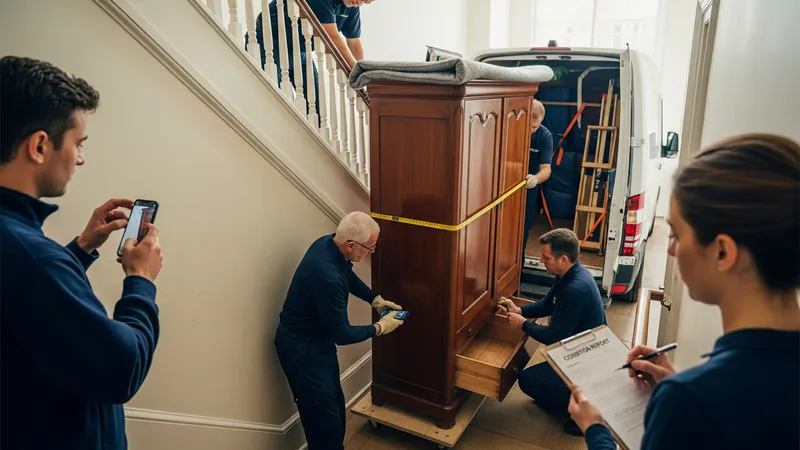
During delivery, careful handling reduces risk of damage. Inspect the item immediately upon arrival for any transit-related harm, and compare against pre-purchase photos or documented condition reports. Simple functional checks—opening drawers, testing recline mechanisms, or sitting briefly—can reveal problems that may have been latent. If a return or repair option exists, document discovered issues promptly and keep photographic evidence to clarify responsibility for restoration or remediation.
After-purchase care considerations include recommended cleaning and protective steps tailored to materials. For example, refinishing may require a professional assessment for solid wood, while upholstery cleaning methods differ by fabric type. For pieces requiring restoration, gather multiple neutral assessments to estimate scope and cost. Long-term care planning—appropriate cleaning intervals, humidity control, and use limitations—can prolong useful life and preserve condition.
Finally, recordkeeping supports future decisions. Keep notes on any repairs, replacement parts, and maintenance steps taken after acquisition. These records can aid future valuations and inform subsequent buyers or service providers. Thoughtful documentation and conservative planning for transport and aftercare may improve a piece’s longevity without implying certainty about outcomes, and they help maintain clear expectations about the item’s practical performance over time.