
Tardive Dyskinesia Diagnosis: Clinical Assessment And Evaluation Of Movement Patterns

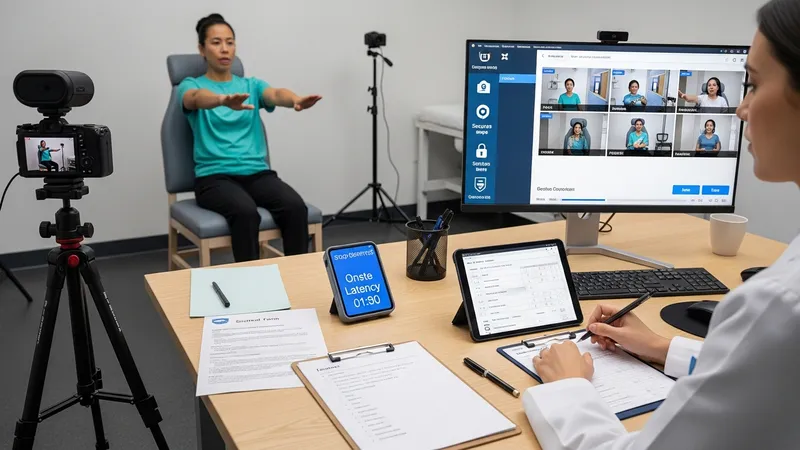
Structured Clinical Observation and Video-Based Movement Analysis
Structured observation protocols guide clinicians to assess movements across multiple conditions, such as rest, activity, speaking, and eating. Standardized tasks—counting, holding posture, or performing simple repetitive movements—can help elicit or accentuate involuntary motions for consistent assessment. Observers typically note onset latency, variability across tasks, and triggers that increase expression. Maintaining consistent environmental factors like seating, lighting, and examiner approach may reduce extraneous variability and improve the utility of serial observations.
Video recording during assessment offers an objective record that can be reviewed by multiple clinicians or used to evaluate progression. When recording, clinicians often capture several standardized positions and tasks to allow comparisons over time. Ethical considerations include obtaining informed consent, secure storage, and clarity about who may access recordings. Clinically useful video segments are typically short, well-labeled with context and date, and accompanied by contemporaneous clinical notes.
Remote or telemedicine-based observation can extend assessment accessibility, allowing observation in the patient’s natural environment where movements may manifest differently than in clinic. Video quality, network stability, and camera positioning influence the utility of remote assessments, and clinicians may provide guidance to patients or caregivers on optimal setup. Remote observation can be particularly informative when patterns vary by setting, though limitations should be documented and accounted for in interpretation.
In both in-person and video-based approaches, combining visual records with structured rating scales strengthens longitudinal comparison. Clinicians often archive representative clips linked to clinical notes and scale scores to facilitate follow-up assessments and multidisciplinary review. When using recordings for education or consultation, de-identification and consent processes support confidentiality and ethical practice. These practices can assist in transparent monitoring while preserving patient privacy.