
Innovation-Driven Digital Transformation Approaches

Digital Twins: The Living Blueprints
Digital twins, a concept that might seem straight out of science fiction, are becoming a pivotal element in digital transformation. By creating real-time digital replicas of physical processes, objects, or systems, businesses are achieving a more intimate understanding of operational efficiencies. But there’s a surprising element to consider: what happens when the simulation becomes smarter than the source?
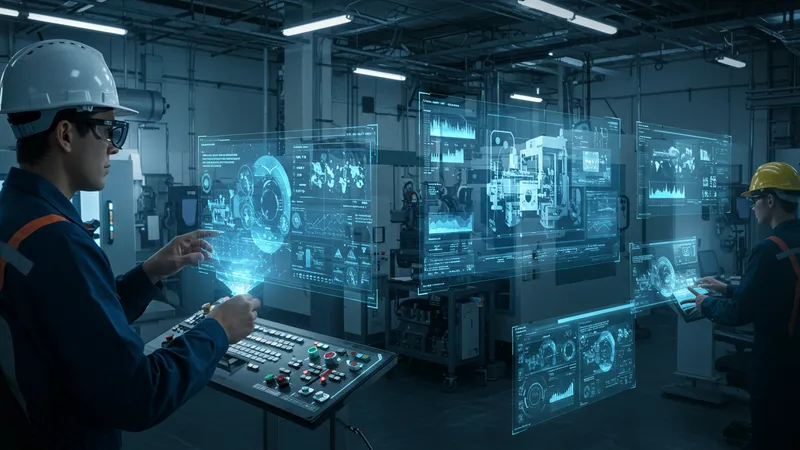
This technology enables organizations to predict system failures, optimize production lines, and even simulate future scenarios with astonishing accuracy. By performing ‘what-if’ analyses, companies are making informed decisions that save both time and resources. However, the most profound effect is how these virtual replicas impact strategic planning.
The implications of digital twins extend far beyond optimization, bringing about unparalleled flexibility in responding to unexpected challenges. Disrupting traditional models, they offer a new avenue for experimentation without real-world risks. The authenticity of this integrated approach hints at an evolving relationship between the physical and digital realms.
Could this convergence lead to a future where digital twins play an integral role in innovation strategies? As you learn more, you’ll uncover how digital twins could redefine the landscape of industry through intricate simulations, enhancing efficiency like never before. Brace yourself for the insights still to come on this revolutionary journey.
Digital twins, a concept that might seem straight out of science fiction, are becoming a pivotal element in digital transformation. By creating real-time digital replicas of physical processes, objects, or systems, businesses are achieving a more intimate understanding of operational efficiencies. But there’s a surprising element to consider: what happens when the simulation becomes smarter than the source?
This technology enables organizations to predict system failures, optimize production lines, and even simulate future scenarios with astonishing accuracy. By performing ‘what-if’ analyses, companies are making informed decisions that save both time and resources. However, the most profound effect is how these virtual replicas impact strategic planning.
The implications of digital twins extend far beyond optimization, bringing about unparalleled flexibility in responding to unexpected challenges. Disrupting traditional models, they offer a new avenue for experimentation without real-world risks. The authenticity of this integrated approach hints at an evolving relationship between the physical and digital realms.
Could this convergence lead to a future where digital twins play an integral role in innovation strategies? As you learn more, you’ll uncover how digital twins could redefine the landscape of industry through intricate simulations, enhancing efficiency like never before. Brace yourself for the insights still to come on this revolutionary journey.